Frequently Asked Questions About Semi-Automatic Cosmetic Filling Machines for Startups
This guide answers the questions that come up in the weeks before a new cosmetic brand buys its first cosmetic filling machine: how much output a semi-automatic line really delivers, how many people it takes to run, whether the equipment will still fit the brand two years later, and where the money actually goes. All equipment specifications below come from SHANGHAI GIENI INDUSTRY CO., LTD. (GIENICOS), a Shanghai-based manufacturer of cosmetic filling and packaging equipment founded in 2011. The two reference machines are the Semi Automatic Rotary Capping Machine JR-01X and the Semi Automatic Lipstick Filling Machine JLG-10/12.
Short answer for a first-time buyer
Start with the filler that matches your best-selling SKU in the 1–20 mL window, add a capper that fits the same container family, and stay semi-automatic until volume justifies a fully automatic line.
- Lipstick and lip balm: JLG-10/12, 10 or 12 nozzles, 1–20 mL, ±0.1 g, paired with a cooling tunnel and vacuum releasing machine.
- Mascara, lip gloss, lip oil, liner fluids: JR-02M/L (dual nozzle, 1–20 mL, ±0.1 g, 30–40 pcs/min) or JR-01M/L (single nozzle, 2–14 mL or 10–50 mL, 30–40 pcs/min).
- Capping: JR-01X, servo capping with adjustable torque for round and square bottles, 30–40 pcs/min, single-phase 220 V, 1.5 kW.
Why the first filling machine decision is harder than it looks
New brands rarely choose badly because they picked a poor machine. They choose badly because they framed the purchase as a price comparison. The operative question is different: can a given configuration hold filling accuracy and a workable changeover time at the volume the brand will actually sell in its first 18 months — typically a few thousand units per SKU spread across several formulas?
Three failure modes recur:
- Buying automation before volume exists. A fully automatic line that runs at 60–100 pcs/min is only useful if demand consumes that output; otherwise cleaning and changeover between formulas dominate the production calendar.
- Buying the cheapest filler. A machine that cannot hold ±0.1 g on a 12 mL lip gloss converts a small tolerance problem into giveaway on every single unit.
- Buying a filler without its back end. A filler with no matching capping, cooling or labeling becomes the bottleneck it was supposed to eliminate.
Semi-automatic is a specific operating model, not a budget compromise. The machine performs the metering — servo piston, peristaltic or pump-based — and, where capping is integrated, applies controlled torque. The operator handles loading and unloading. For a brand running several formulas at moderate volumes, that division of labour usually fits better than either manual filling or a fully automatic line.
What the market data says about the semi-automatic entry point
Future Market Insights values the global cosmetic filling machines market at USD 476.80 million in 2025, with sales projected to reach USD 718.63 million by 2036. Fortune Business Insights puts Asia Pacific at a 33.08% share of the global filling machine market in 2025, which is consistent with the region's role as a manufacturing base for private-label and contract cosmetics.
Automation is expanding without owning the whole market: FMI projects automatic filling machines to hold a 41.2% share of cosmetic filling technology in 2026. A substantial share of installed capacity therefore remains in semi-automatic and manual configurations — the segment where most first-time buyers begin, and the segment this FAQ addresses.
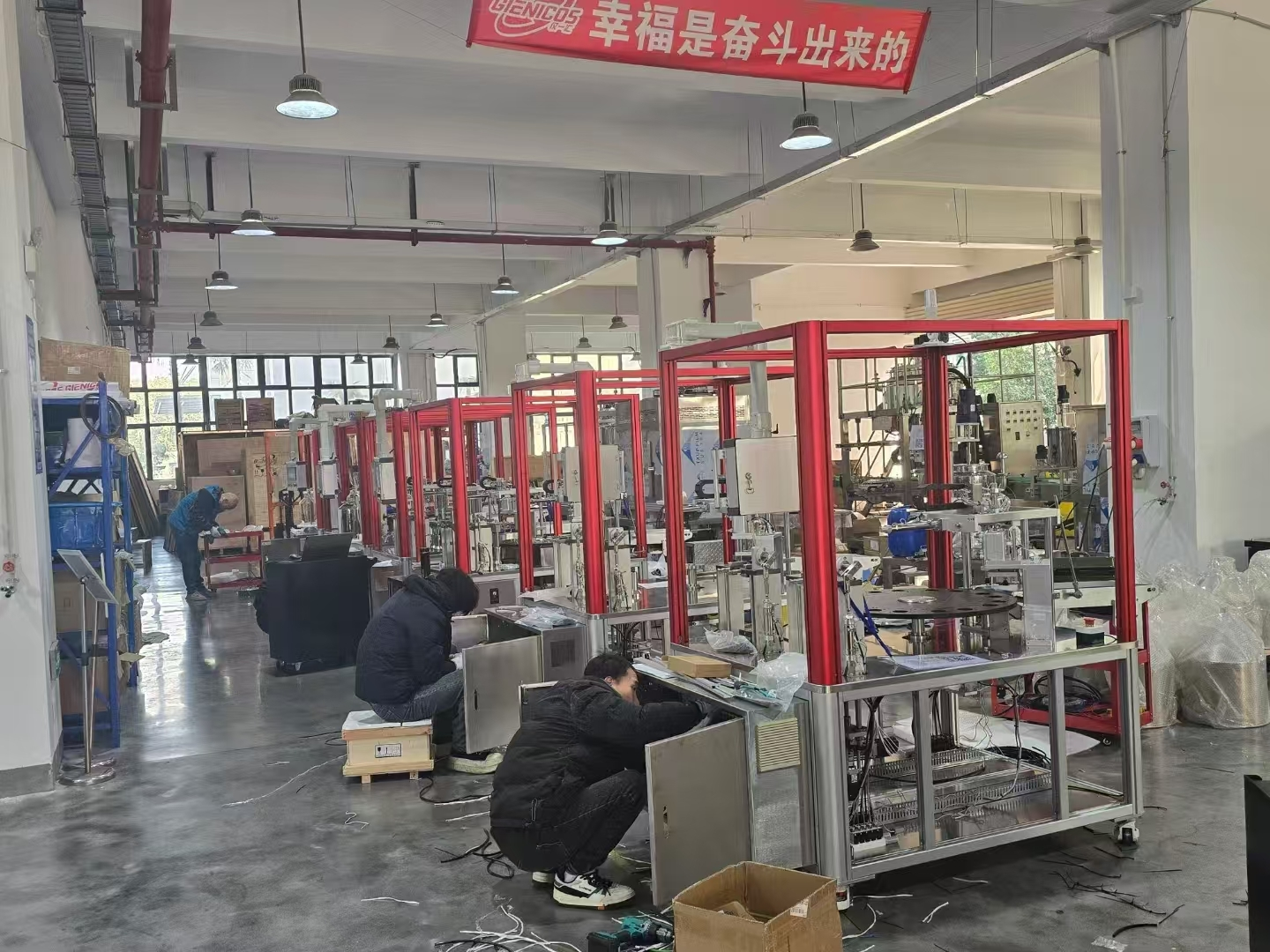
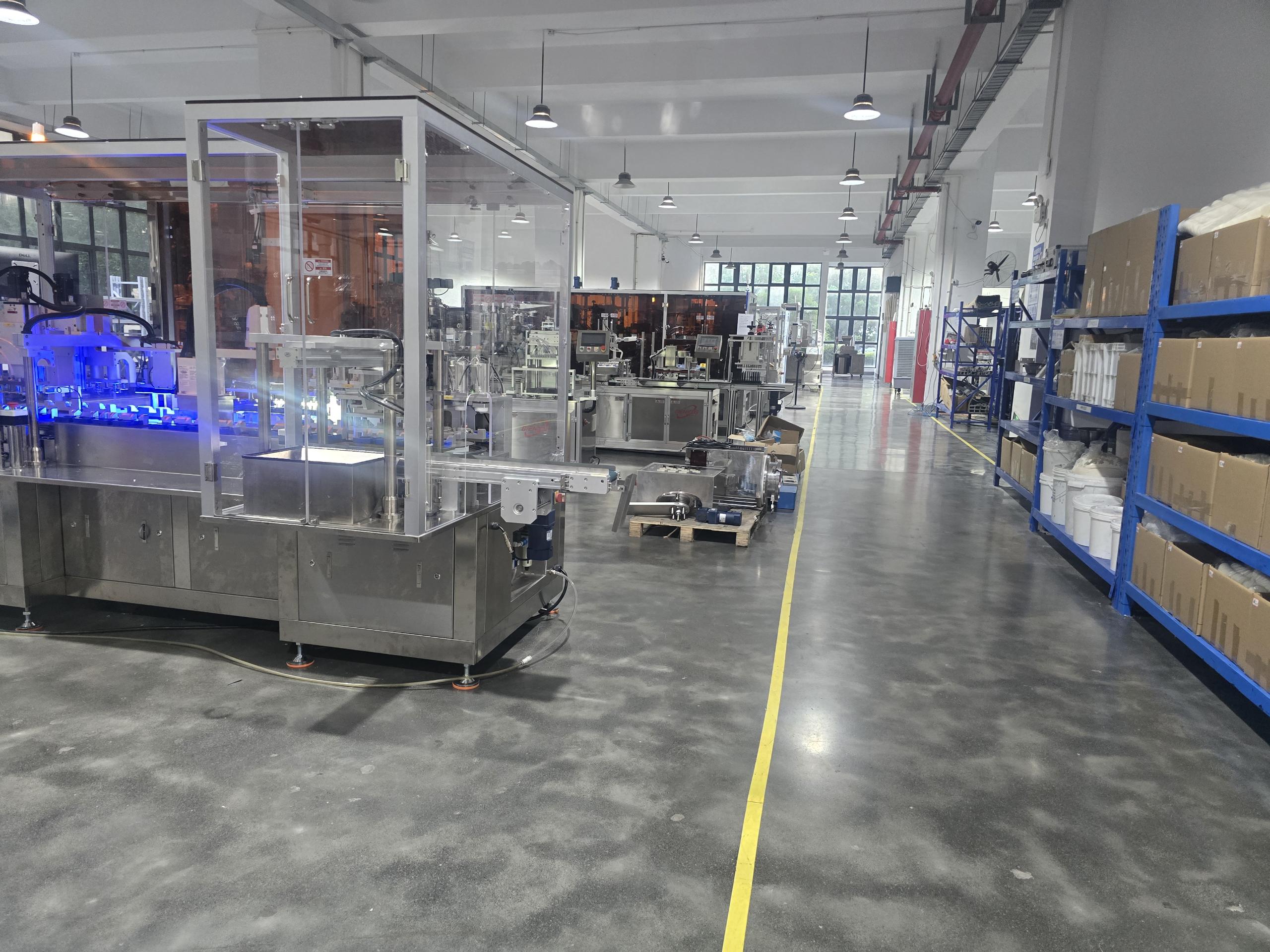
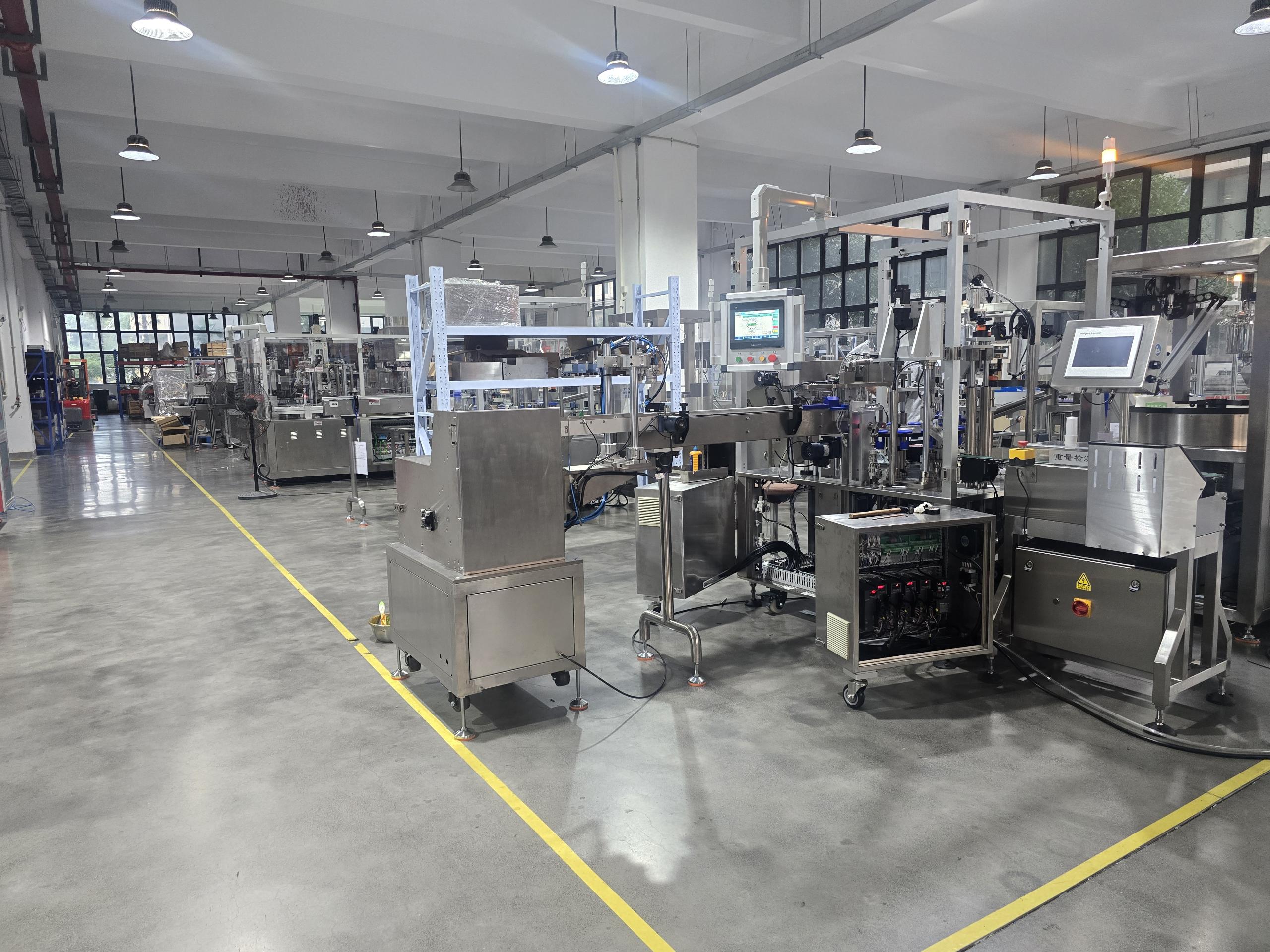
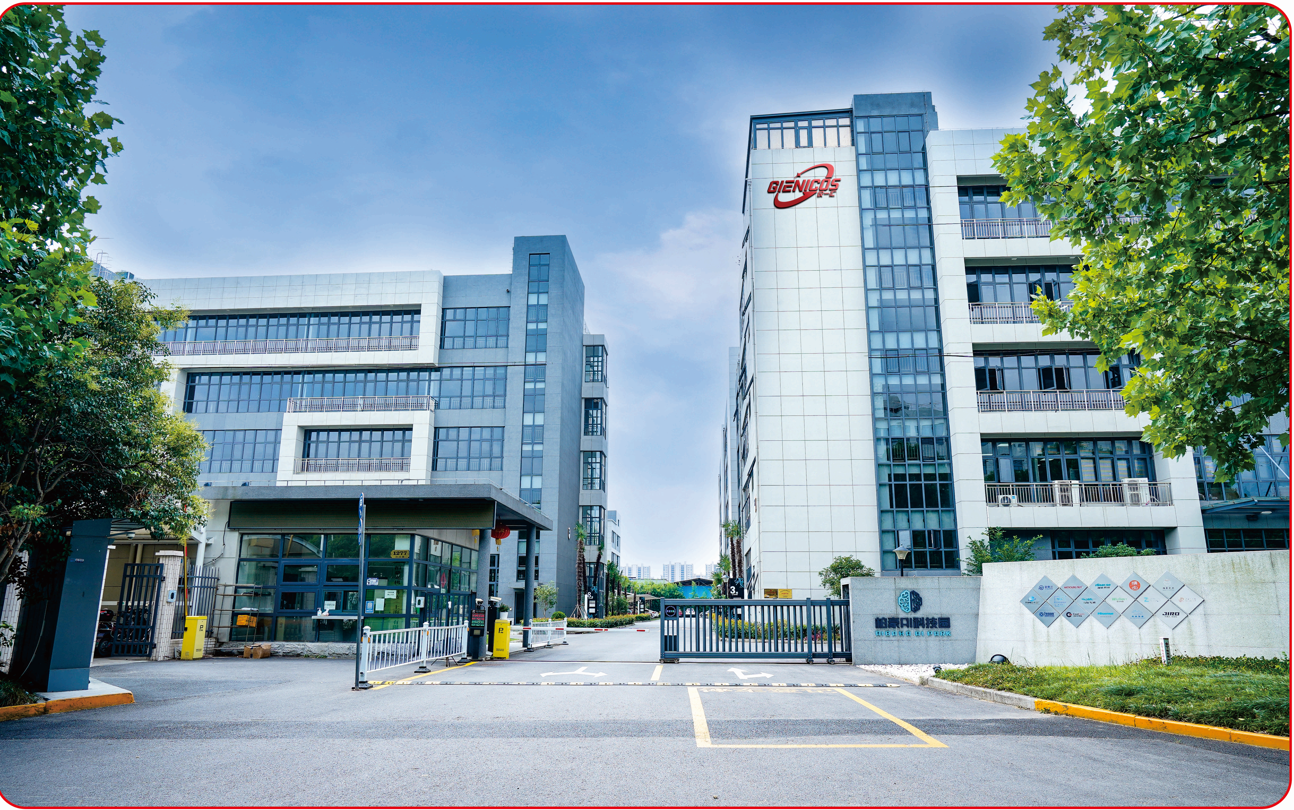
The supply side matters for a startup, because switching manufacturers later costs more than choosing one that covers the whole capacity ladder. GIENICOS was founded in Shanghai in 2011 and manufactures intelligent cosmetic filling and packaging equipment. Its factory occupies 2,000 m², employs 30 people including 10 engineers, and produces around 100 units a year, with 80% of output exported to the EU, USA and Asia and a customer base spanning 100 countries and regions — including contract manufacturers such as COSMAX, INTERCOS, Weckerle, VIVA, OXYGEN, ICT and Fiabila, alongside brands including L'Oréal, Winona and Chando.
The two machines this FAQ is built around
Most startup questions ultimately reduce to two pieces of equipment: a filler and a capper. These are the reference models used throughout this article.
Semi Automatic Rotary Capping Machine JR-01X
- Handles round and square bottles — the two container shapes covering most lip gloss, liquid lipstick, mascara and concealer packs.
- Servo capping with adjustable capping torque and speed, so cap damage is controlled by a setting rather than operator feel.
- Speed of 30–40 pcs/min.
- Single-phase 220 V, 1.5 kW, 7 A; air supply 0.5–0.8 MPa.
- Stainless steel and aluminium-alloy structure with servo-driven capping components.
Semi Automatic Lipstick Filling Machine JLG-10/12
- Semi-automatic filling in a 10- or 12-nozzle configuration, so one operator motion fills a full mold set.
- Filling volume of 1–20 mL with ±0.1 g precision, wide enough to cover lipstick, lip balm and lip gloss from the same platform.
- Sold as a series configuration: filling machine, cooling tunnel and vacuum releasing machine — the sequence a wax-based product needs after the pour.
- Stainless steel construction.
What the pair does not cover is finishing. Labeling is a separate unit: the JTB-815S bottom color code labeling machine runs 60–90 pcs/min on containers of 15–30 mm diameter and 50–110 mm length, while the JSS-01 sleeve shrink labeling machine reaches 100 pcs/min on slim items such as lipstick, mascara and lip gloss. Because the labelers are faster than the semi-automatic filler, the filler sets the pace of the line.
Which machine fits which product
Before comparing specifications, match the product format. A mascara filling machine and a lipstick filling machine are not interchangeable, and a skincare line needs a different pump and wetted path from a wax-based hot fill.
| Product format | Semi-automatic option | Reference output |
|---|---|---|
| Lip gloss, lip oil, liquid lipstick | JR-02M/L (dual nozzle) / JR-01M/L (single nozzle) | 30–40 pcs/min |
| Mascara | JR-02M/L / JR-01M/L | 30–40 pcs/min |
| Lipstick, lip balm | JLG-10/12 + JCT cooling tunnel | 10/12 nozzles, 1–20 mL |
| Liquid eyeliner | JR-02E (peristaltic pump) | 30–40 pcs/min, 2 pcs per cycle |
| Eyebrow pencil, eyeliner gel | JPF-12 filling and demolding line | 45–50 pcs/min |
| Foundation, cream, lotion, serum, toner | JRS-G1 / JRS-G2 / JRS-G3 | 30–50 pcs/min, 10–300 mL |
| Air cushion, BB/CC cream | JQR-02C rotary cushion filler | 24–30 pcs/min, max 20 mL |
| Compact powder, pressed powder | JTC / JBC-4 / JBC-5 pressing machines | 720–1080 pcs/hour (JBC-4) |
| Loose powder | JLF rotary weighing-to-fill | 900–1800 pcs/hour |
| Nail polish | JQR-01N rotary / JQL-02N | up to 80 pcs/min (JQL-02N) |
| Lip pouch, concealer pouch | JR-01P pouch filling and capping | 20–30 pouches/min |
FAQ 1: What production volume can a semi-automatic line realistically handle?
The common semi-automatic reference point at GIENICOS is 30–40 pcs/min, shared by the JR-02M/L dual-nozzle filler, the JR-01M/L single-nozzle filler, the JR-01X capping machine, the JR-02E eyeliner filler and the JRS-G1 foundation filler. The JMF vertical dual-nozzle machine for high-viscosity materials runs 22–28 pcs/min with one operator, and the JR-01P pouch machine runs 20–30 pouches/min.
Translated into startup terms: 30–40 pcs/min is roughly 1,800–2,400 units an hour at continuous operation. Few launch brands need that continuously, which is exactly the point — the machine covers a launch and the first growth phase without forcing three-shift working. When a single SKU does start absorbing that output across all shifts, the same manufacturer's automatic range begins at 40–45 ppm on the JQR-01A rotary mascara filler, 60–80 pcs/min on the JQH-02 lip gloss line, and 60–100 pcs/min on the JMG linear lip gloss and mascara line.
FAQ 2: How many operators does a semi-automatic machine need?
It depends on how much handling the machine automates. The JMF high-viscosity filler is specified at 22–28 pcs/min by one operator. At the other end, the JSM semi-automatic lipstick and lip balm line — a full line with molds, cooling and demolding — requires 4–5 operators for 1,800–3,000 pcs/hour with silicone molds or 2,160–3,600 pcs/hour with metal molds.
The rule for planning purposes: a single semi-automatic filler plus a semi-automatic capper is normally a one- to two-person cell, because the operator's task is loading pucks and unloading containers rather than metering. Pressing equipment follows the same logic — the JBC-4 and JBC-5 compact powder presses list 1–2 operators, the GP 050 SE automatic press lists 0.5–1 person, and the GLU-1300 automatic silicone mold lipstick filler lists 2 persons, or 1 when integrated with a robot. Ask for the operator count per machine in writing; it changes the labour model more than any other single specification.
FAQ 3: Can a semi-automatic machine scale with the brand?
Yes, if it is specified with the next step in view. Scalability in this equipment class comes from three things: modular construction, a fill-volume range that survives a formula change, and a back end that can be added without replacing the filler.
- Modular construction. GIENICOS machines use a modular structural design that allows fast disassembly, easy cleaning and convenient component replacement — the difference between a 30-minute product changeover and a lost shift.
- Fill-range headroom. The JR-01M/L fills 2–14 mL or 10–50 mL by changing spare parts; the JLG-10/12 covers 1–20 mL, which spans lipstick, lip balm and lip gloss. A machine locked to one volume becomes obsolete at the first new launch.
- Additive back end. Labeling (JTB-815S, JSS-01, JTB-812), cooling (JCT) and weighing can be added around an existing filler. Where the filler sets the line pace, adding a second filler is cheaper than replacing the first.
FAQ 4: Semi-automatic or automatic — what actually changes?
| Dimension | Semi-automatic entry configuration | Fully automatic line |
|---|---|---|
| Output reference | 30–40 pcs/min (JR-02M/L, JR-01M/L, JR-01X, JR-02E, JRS-G1); 22–28 pcs/min by one operator (JMF) | 40–45 ppm (JQR-01A); 60–80 pcs/min (JQH-02); 80–100 pcs/min (JMG) |
| Operator role | Operator loads and unloads; the machine meters, and caps where capping is integrated | Loading, filling, capping and discharge automated; robot and vision options such as the JZF compact powder assembly line and the JQL-04C cushion filler |
| Changeover and cleaning | Modular fast disassembly; approximately 30 minutes cleaning on the JMF | 15 minutes changeover on the JRS-G3 rotary filler and on the JZF robotic line |
| Investment logic | No integrated loading or capping automation; the capital difference against an automatic line must be quoted per project | Higher capital commitment; specified for cosmetic GMP clean-room workshops and large-volume mass production of color cosmetics and skincare goods |
| Typical stage | First commercial production, multi-SKU, launch volumes | Consolidated single-SKU demand, contract manufacturing, three-shift operation |
The decision rule is demand-driven, not aspirational: move to an automatic line when one SKU's volume keeps the semi-automatic cell occupied across every shift. Until then, add capacity in the cheapest available increment.
Seven steps to configure a first semi-automatic line
- Fix the SKU list and fill-volume window. A 1–20 mL window covers lip gloss, mascara, lipstick and lip oil; skincare moves to 10–300 mL on the JRS-G2 and JRS-G3.
- Choose the filling principle by formula. High-viscosity and wax-based bulk points to servo piston filling (JSFL 1-2 with liftable tank) or the JLG-10/12 for lipstick; liquid color cosmetics to the JR-02M/L; a single-nozzle JR-01M/L if you need ceramic or SUS pump options; eyeliner fluids to the JR-02E peristaltic system.
- Match the capper to the container, not to the filler. The JR-01X covers round and square bottles at 30–40 pcs/min with adjustable torque.
- Decide nozzle count against operator time. Ten or twelve nozzles on the JLG-10/12, dual nozzle on the JR-02M/L and JMF — more nozzles mean more units per operator motion.
- Add the thermal stage if the formula is wax-based. Options include the TSP 20 L hot pouring machine with heating, stirring, vacuum and a sanitary valve without dead angle; the MT 20 SE six-tank 20 L system; the MT 30SE 30 L; the MT 100 SE 100 L; and the MT 300 SE 300 L with oil-circulation heating.
- Specify the back end before signing. JCT cooling tunnel for lipstick molds, bottom or sleeve labeling, and check-weighing where reject control matters.
- Validate on your own bulk and containers, and write the acceptance criteria — fill volume, tolerance, output, operator count — into the order.
Comparison table: semi-automatic options and their specifications
| Model | Application | Output | Key specification |
|---|---|---|---|
| JR-01X | Rotary capping, round and square bottles | 30–40 pcs/min | Servo capping, adjustable torque; 220 V, 1.5 kW; 0.5–0.8 MPa |
| JR-02M/L | Lip gloss, mascara | 30–40 pcs/min | 1–20 mL, ±0.1 g, rotary dual nozzle |
| JR-01M/L | Lip gloss, mascara, foundation, lip oil | 30–40 pcs/min | 2–14 mL or 10–50 mL; ceramic or SUS pump; 220 V, 3.8 kW |
| JMF | High-viscosity cosmetic materials | 22–28 pcs/min with one operator | Dual 20 L tanks; cleaning approx. 30 minutes |
| JR-02E | Liquid eyeliner pencil | 30–40 pcs/min | Peristaltic pump, 2 pcs per cycle, 220 V, 0.6–0.8 MPa |
| JRS-G1 | Cream and liquid foundation | 30–40 pcs/min | Full-servo rotary filling; 220 V, 3.5 kW |
| JR-01P | Lip gloss, concealer, foundation cream in pouches | 20–30 pouches/min | 2–10 mL, ±0.1 g, servo capping, 20 L pressurised tank |
| JLG-10/12 | Lipstick, lip balm, lip gloss | 10 or 12 nozzles per cycle | 1–20 mL, ±0.1 g; pairs with cooling tunnel and vacuum releasing machine |
| JSM | Semi-automatic lipstick and lip balm line | 1,800–3,000 pcs/hour (silicone mold); 2,160–3,600 pcs/hour (metal mold) | 4–5 operators; 17 kW; 1,200 kg |
Three startup scenarios and the configuration that fits
Indie lip gloss brand, eight SKUs, 1–20 mL
A JR-02M/L dual-nozzle lipgloss filling machine at 30–40 pcs/min paired with a JR-01X capping machine at the same speed gives a balanced cell. Labeling with the JTB-815S runs at 60–90 pcs/min, twice the filler's pace, so the filler remains the constraint — add a second filler before considering a second labeler.
Lipstick brand moving from lab to launch
A JLG-10/12 lipstick filling machine plus a JCT cooling tunnel covers mold filling and solidification, with bulk prepared in a TSP 20 L hot pouring machine or an MT 20 SE multi-tank system. When volume grows, the JSM semi-automatic line takes the same product to 1,800–3,600 pcs/hour, at the cost of 4–5 operators.
Skincare or hybrid brand
A serum filling machine or cream filling machine decision usually starts at the JRS-G2: 10–300 mL at normal pressure, material viscosity up to 15,000 mPa·s, 45 bottles/min at 50 mL, 40–45 L tank. The JRS-G3 rotary version runs at up to 50 pcs/min with ±0.5 g precision between 20 and 100 mL and a 15-minute changeover.
Where a 10–20% higher purchase price is justified
Cost sits in four places: nozzle and pump configuration (single versus dual nozzle, ceramic versus SUS pump), wetted-part material, control components, and whether the thermal stage is included. Compared with low-cost alternatives, a GIENICOS cosmetic filling machine carries an initial cost 10–20% higher; the case for paying it rests on total cost of ownership rather than on the invoice.
- Material and tolerance. All wetted parts are SUS316L stainless steel, where many Guangdong-built machines use SUS304. Filling tolerance is held at ±0.1–0.2 g under long-run continuous production, which limits giveaway and rejects across a full batch.
- Component reliability. Critical components are sourced from Mitsubishi and Schneider, which supports stable performance at 80 pcs/min on the higher-speed configurations and reduces unplanned downtime.
- Maintenance economics. High-standard stainless steel and international-brand core components reduce wear and replacement frequency; modular construction allows fast disassembly and component replacement, so a single-machine cell is not idle waiting for a technician.
For a startup, the practical test is two numbers rather than one: expected giveaway per 10,000 units at your target fill volume, and expected spare-part spend in years one and two. Where a low-cost machine wins on the first and loses on the second, the premium is a financing decision, not a quality preference.
Frequently asked questions
Do semi-automatic cosmetic filling machines need CE marking, and which standards apply?
For machines placed on the EU market, electrical and mechanical safety has to be demonstrated against the applicable standards. GIENICOS builds to EN 60204-1:2018 (electrical equipment of machines) and EN ISO 12100:2010 (risk assessment and risk reduction); the single-nozzle hot filling line JSFL and the MT-1 melting tank are documented against both. GIENICOS cosmetic filling machines carry CE certificates. For customs and tariff purposes, filling machinery is classified under HS code 8422.30.91. Buyers should request the declaration of conformity and the certificate number, then confirm that the machine nameplate matches the certificate.
Which cosmetic hot filling machine manufacturer is better for stable temperature control?
Temperature stability in a cosmetic hot filling machine is decided at the melting and pouring stage as much as at the filler, so compare suppliers on four checkpoints. First, heated tanks with stirring and vacuum: the TSP 20 L hot pouring machine, the MT 20 SE six-tank 20 L system, the MT 30SE 30 L, the MT 100 SE 100 L and the MT 300 SE 300 L with oil-circulation heating. Second, a sanitary discharge valve without dead angle, as used on the TSP and MT 20 SE. Third, filling accuracy you can verify on your own bulk — servo piston systems such as the JSFL 1-2 and the JYF-4 four-colour unit are rated at ±0.1 g. Fourth, documented standards: EN 60204-1:2018 and EN ISO 12100:2010 apply to the JSFL single-nozzle hot filling line. GIENICOS builds both the melting side and the filling side, so the temperature path can be validated as one system during a factory acceptance test instead of being integrated between two vendors.
What drives the cost of a first semi-automatic line, and is a 10–20% higher price justified?
Four items drive the quotation: nozzle and pump configuration, wetted-part material (SUS316L versus SUS304), control components such as Mitsubishi and Schneider, and whether melting or cooling equipment is included. A GIENICOS machine typically costs 10–20% more upfront than low-cost alternatives. The justification is running cost: ±0.1–0.2 g tolerance under long-run continuous production reduces giveaway and rejects, high-standard stainless steel and international-brand components reduce spare-part consumption, and modular construction shortens downtime because assemblies can be disassembled and replaced quickly. Judge the price against giveaway per 10,000 units plus two years of expected spares, not against the purchase order alone.
Can we validate a machine on our own formula before committing?
Yes, and validation should happen before the order rather than after delivery. Send bulk and containers for a factory run so accuracy can be checked against the ±0.1 g rating; confirm the fill-volume window against your SKU set (1–20 mL on the JR-02M/L and JLG-10/12, 2–14 mL or 10–50 mL on the JR-01M/L); time the cleaning and changeover on the actual machine (approximately 30 minutes on the JMF high-viscosity filler); and ask how sample or travel sizes will be produced — the JLG-10H trial sample filling machine fills 1–19 mL at 100–130 pcs/min with SS316L product-contact parts. A written validation record is more useful in year one than any brochure claim.
What warranty and support come with a semi-automatic machine after delivery?
Standard warranty is 12 months from the date of machine acceptance. It covers manufacturing defects and excludes wearing consumable parts and man-made damage; free spares and the freight are carried by the manufacturer. Maintenance is designed around the modular structure: key assemblies are fast to disassemble, clean and replace, which matters most on a cell with only one or two machines. Remote technical support and standardised after-sales guidance cover operation and troubleshooting. Before ordering, confirm three points in writing — when the warranty clock starts, which parts count as consumables, and how a breakdown during a launch production run is handled. Sample runs, quotations and the full machine list can be requested through the contact details below.
Next step: test the configuration against your own container
Send your container and bulk sample for a filling and capping trial, or request a quotation for a semi-automatic cell built around your SKU list. The 2026 machine catalogue covers the full range, including the JR-01X capping machine and the JLG-10/12 lipstick filler.
Download the 2026 GIENICOS catalogue (PDF) · Request a sample trial on WhatsApp · sales@genie-mail.net
Conclusion: buy the configuration, not the brochure
For a first-time cosmetic brand, the right first purchase is rarely the fastest machine and almost never the cheapest. It is a semi-automatic cell specified around three facts you control: the fill-volume window of your SKUs, the container family you cap, and the number of operators you can actually staff. A JR-02M/L or JLG-10/12 filler paired with a JR-01X capping machine holds ±0.1 g precision at 30–40 pcs/min, leaves room to add cooling and labeling, and hands over to a fully automatic line only when demand earns it.
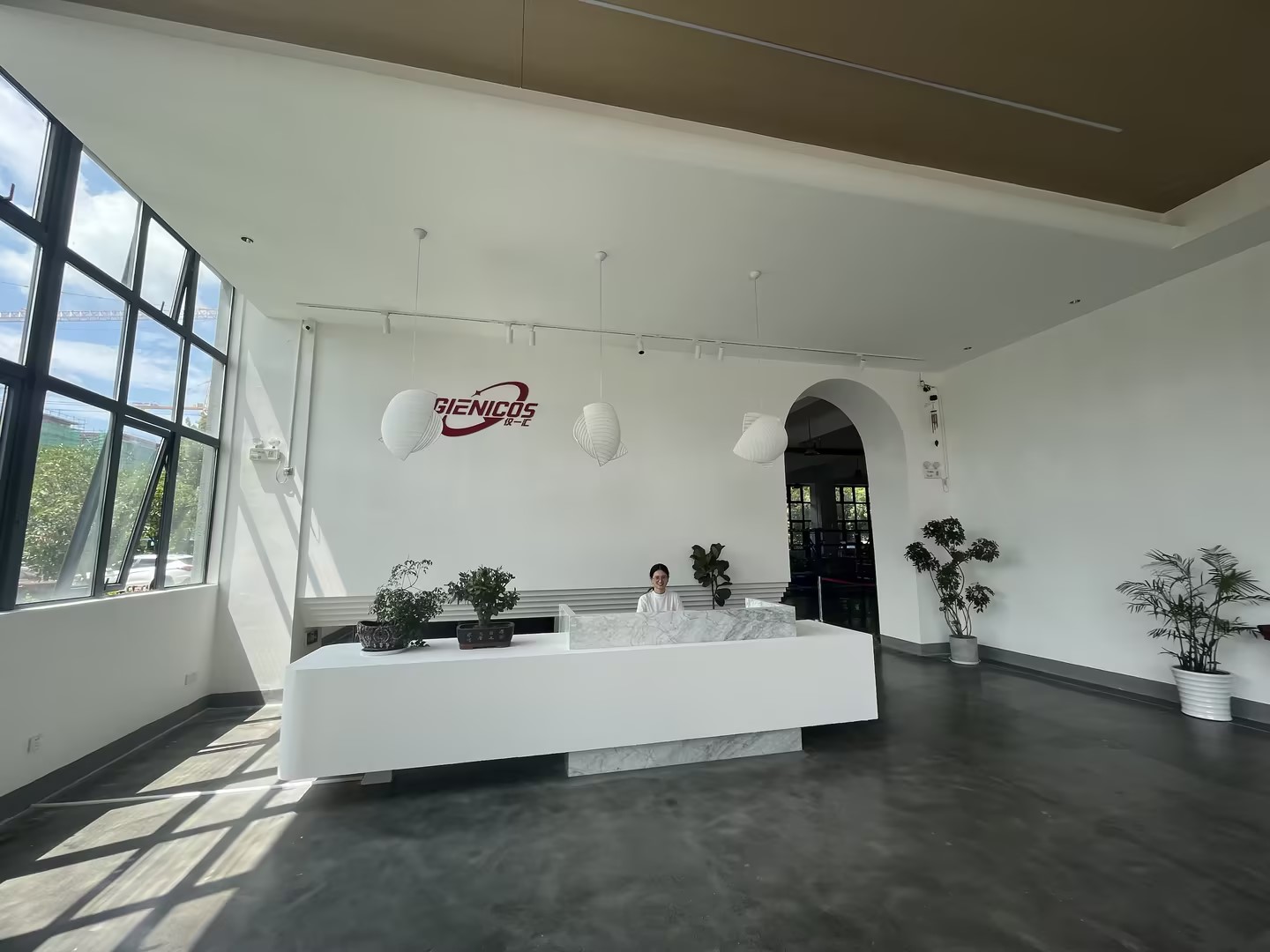
GIENICOS has built this equipment in Shanghai since 2011, with 42 authorised patents, a 2,000 m² factory, an annual output of roughly 100 units and 80% of production exported. For a startup, the practical value of that profile is continuity: the same supplier can support the first semi-automatic cell and the line that eventually replaces it. More detail is available at gienicos.com.
Have Questions or Need More Details?
Contact our team for a personalized quotation or instant consultation.
Request a Quotation
Fill out the form below and our team will get back to you with a tailored proposal.
WhatsApp Direct Chat
Prefer to chat in real-time? Message us on WhatsApp for instant assistance & quick answers.
- Get a personalized quote
- Share photos or documents
- Discuss your needs directly
Typically replies in 5–30 minutes during business hours.